Crude Coast Desk · September 8, 2026
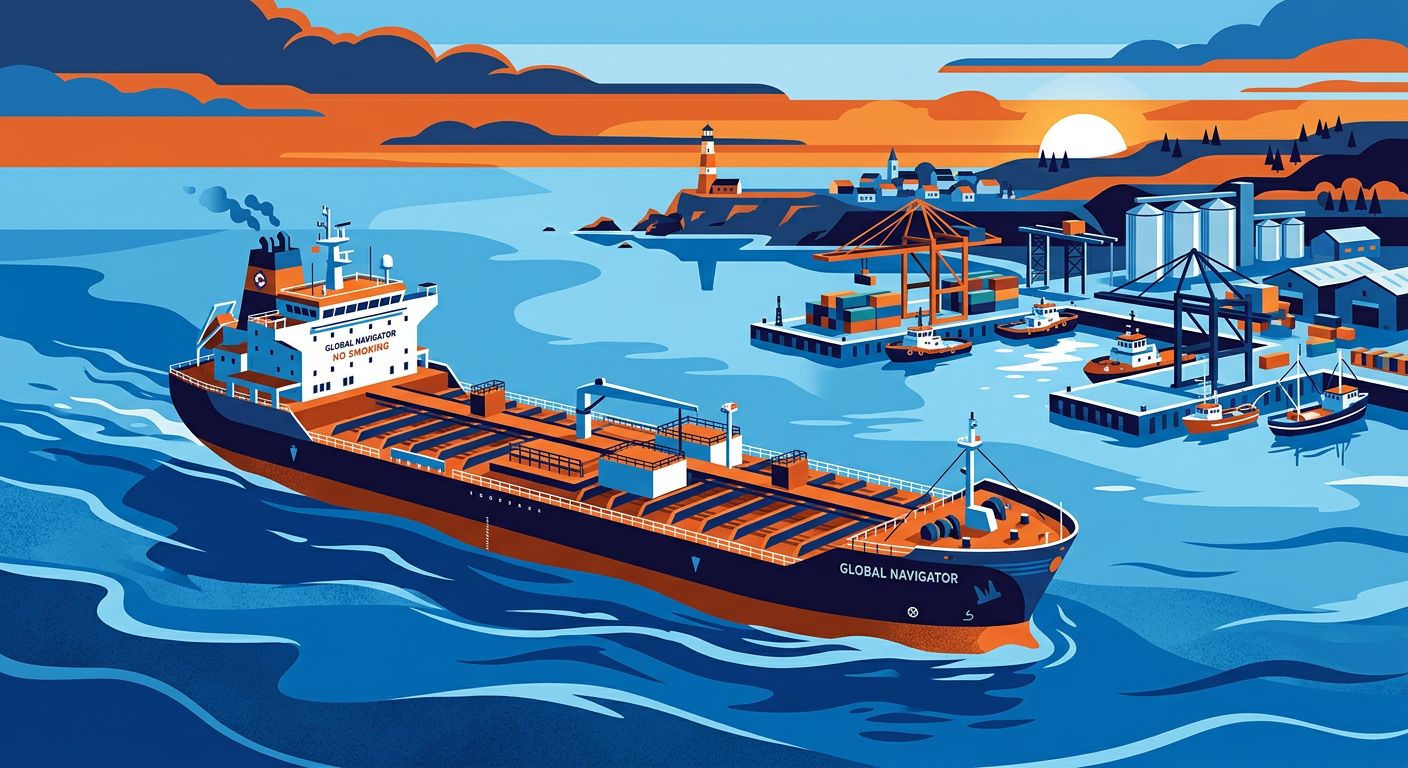
Waterborne shipments of crude oil and petroleum products originating from the U.S. Gulf Coast (PADD 3) to the U.S. West Coast (PADD 5) increased during April and May, according to reporting by the U.S. Energy Information Administration.
Marine transfers along the route between PADD 3 and PADD 5 more than quadrupled on a year-on-year basis during those two months, according to figures reported by the U.S. Energy Information Administration.
The expansion in inter-district maritime shipments followed the issuance of a waiver that permitted a broader selection of vessels to move cargoes between domestic U.S. ports.
Along with the higher volumes directed to the West Coast, waterborne shipments leaving the U.S. Gulf Coast bound for the East Coast (PADD 1) also increased over the same period, according to the U.S. Energy Information Administration.
Source & editorial provenance
- U.S. Energy Information Administration — Waterborne shipments from the U.S. Gulf Coast increased in April and Mayhttps://www.eia.gov/todayinenergy/detail.php?id=67964