
Shipping
Alkagesta CEO Calls for Structural Freight Adaptability Amid Rising Shipping Costs
In an opinion piece published in The Motorship, Alkagesta founder Orkhan Rustamov argues that energy traders and shipping operators must deeply integrate operations to withstand geopolitical and environmental disruptions.
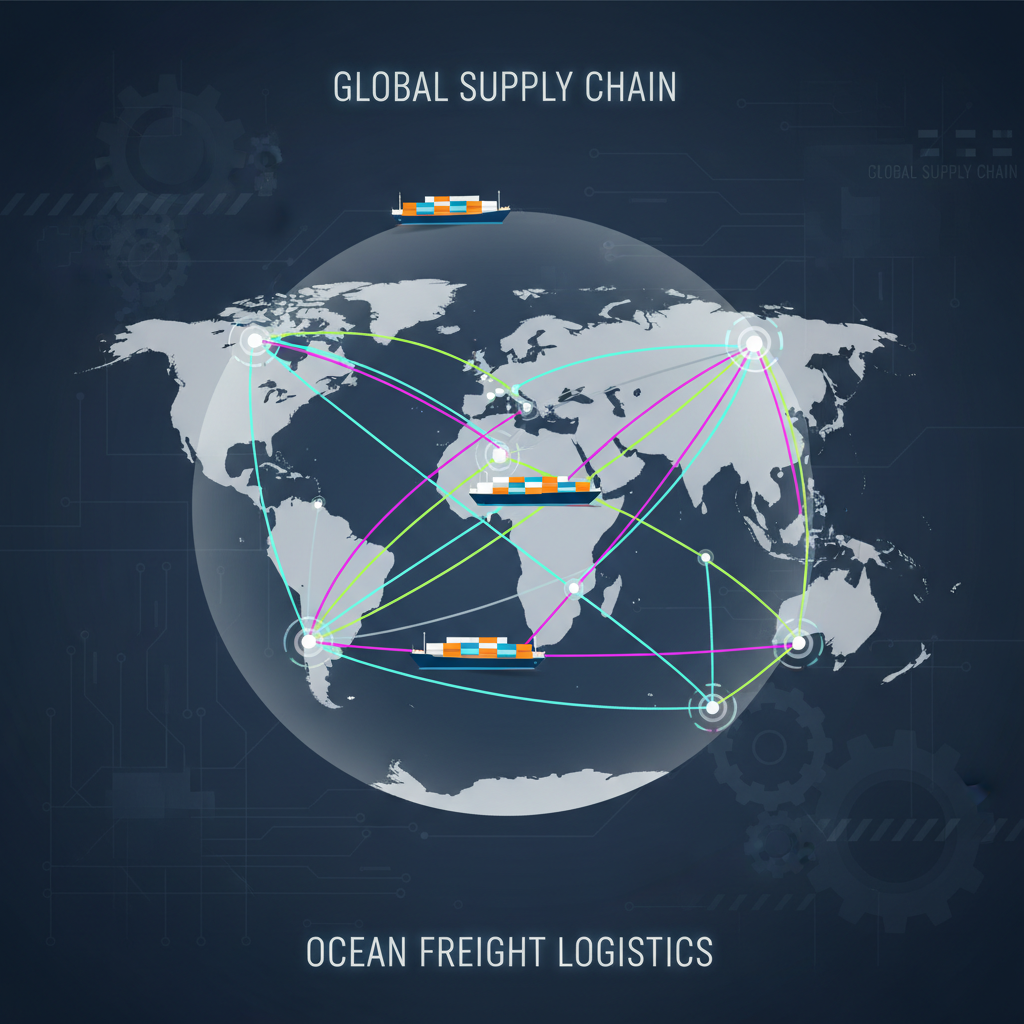
Malta-headquartered commodity trading company Alkagesta has highlighted a published commentary by its founder and chief executive, Orkhan Rustamov, addressing structural freight cost pressures across maritime trade routes. In an opinion piece appearing in maritime publication The Motorship, Rustamov examined recent record spikes in transport expenses recorded by commodities price reporting agency Argus, which has tracked global shipping data since 2005. Market developments cited in the publication include fees reaching up to US$2.5 million for double-lock transits through the Panama Canal, historically elevated tanker freight rates across the Black Sea and Eastern Mediterranean, crude oil shipping rates from the Gulf to the Far East, and Trans-Rhine freight rates climbing to their highest point in 14 years due to dry weather across Europe.
The commentary identifies persistent geopolitical instability and climate disruptions as primary catalysts behind the elevated freight environment. Specifically, the piece notes that the ongoing, on-off conflict surrounding the Strait of Hormuz has generated prolonged uncertainty along vital energy trade lanes for more than six months. Coupled with intensifying environmental stresses such as European droughts, these headwinds have substantially increased the operational complexity and financial burden of moving bulk commodities internationally.
Rather than accepting higher logistical expenses as an unalterable market condition, the piece argues that energy traders and vessel operators must fundamentally realign their operational models. Rustamov contends that shipping firms should be deeply embedded within physical trading desks to form responsive supply strategies. Historically, vessel chartering, route selection, and freight procurement have frequently been managed as detached, narrowly focused operational functions rather than integrated components of a broader commercial portfolio.
To build resilience against market shocks, the publication stresses the necessity of pre-emptive scenario planning and logistics diversification. Commodity market participants are urged to establish clear contingency pathways for potential infrastructure disruptions, such as extended one-month outages at key refineries or port facilities. Such contingency plans may involve utilizing secondary transport modes—including pipelines or road transport—even if alternative routes do not represent the lowest nominal cost option.
The analysis concludes that the trading and maritime sectors have become overly fixated on short-term live pricing at the expense of long-term structural resilience. Given the potential for rising freight costs to attract heightened government scrutiny and regulatory intervention, the piece calls on market participants to leverage global trading networks and multi-modal transport options to mitigate future supply chain volatility. Alkagesta operates across petroleum products, biofuels, fertilizers, and steel in more than 48 countries.
Source & editorial provenance
- Original source
- The MotorshipView source
- Source published
- 17 Sept 2026, 09:00 UTC
- Retrieved
- 18 Sept 2026, 12:34 UTC
- The Motorship — EXCLUSIVE: Shipping industry must act against spiralling costshttps://www.motorship.com/news/opinion/exclusive-shipping-industry-must-act-against-spiralling-costs/
- Alkagesta — Alkagesta CEO Orkhan Rustamov Publishes Opinion Piece in The Motor Ship on Shipping Cost Resiliencehttps://alkagesta.com/orkhan-rustamov-motor-ship-shipping-costs/
- Alkagesta Newsroom — Alkagesta — global commodity trading grouphttps://alkagesta.com/
- Argus Media — Argus Media freight and commodity price assessmentshttps://www.argusmedia.com/
- Panama Canal Authority — Panama Canal transit tolls and slot auctionshttps://pancanal.com/en/
- Reuters — Reuters energy and shipping coveragehttps://www.reuters.com/business/energy/
- Financial Times — Financial Times commodities coveragehttps://www.ft.com/commodities
- International Energy Agency — IEA Oil Market Reporthttps://www.iea.org/reports/oil-market-report
- UNCTAD — Review of Maritime Transporthttps://unctad.org/topic/transport-and-trade-logistics/review-of-maritime-transport
This article was drafted with AI assistance from the source material above, checked against the source for factual consistency and reviewed before publication. It is an independent editorial summary, not a reproduction of the source text.
Market context
Indicative levels, not a price assessment.
No market data source is currently connected. Configure a provider in the admin market data screen to display indicative levels.
More from this author
Crude Coast Desk
The Crude Coast Energy market desk compiles indicative price and market commentary from disclosed public sources.
All articles by Crude Coast DeskNewsletter
Crude Coast Energy — Market & Price Briefing
A concise daily read on crude, refined products, freight and energy trade — with every figure sourced and timestamped.