
Markets
Global Fertiliser Supply Chains Face Maritime Bottlenecks and Feedstock Shortages
Transit chokepoints in the Strait of Hormuz and natural gas curtailments across North Africa and Asia are driving up urea prices and exposing systemic risks in agricultural supply chains.
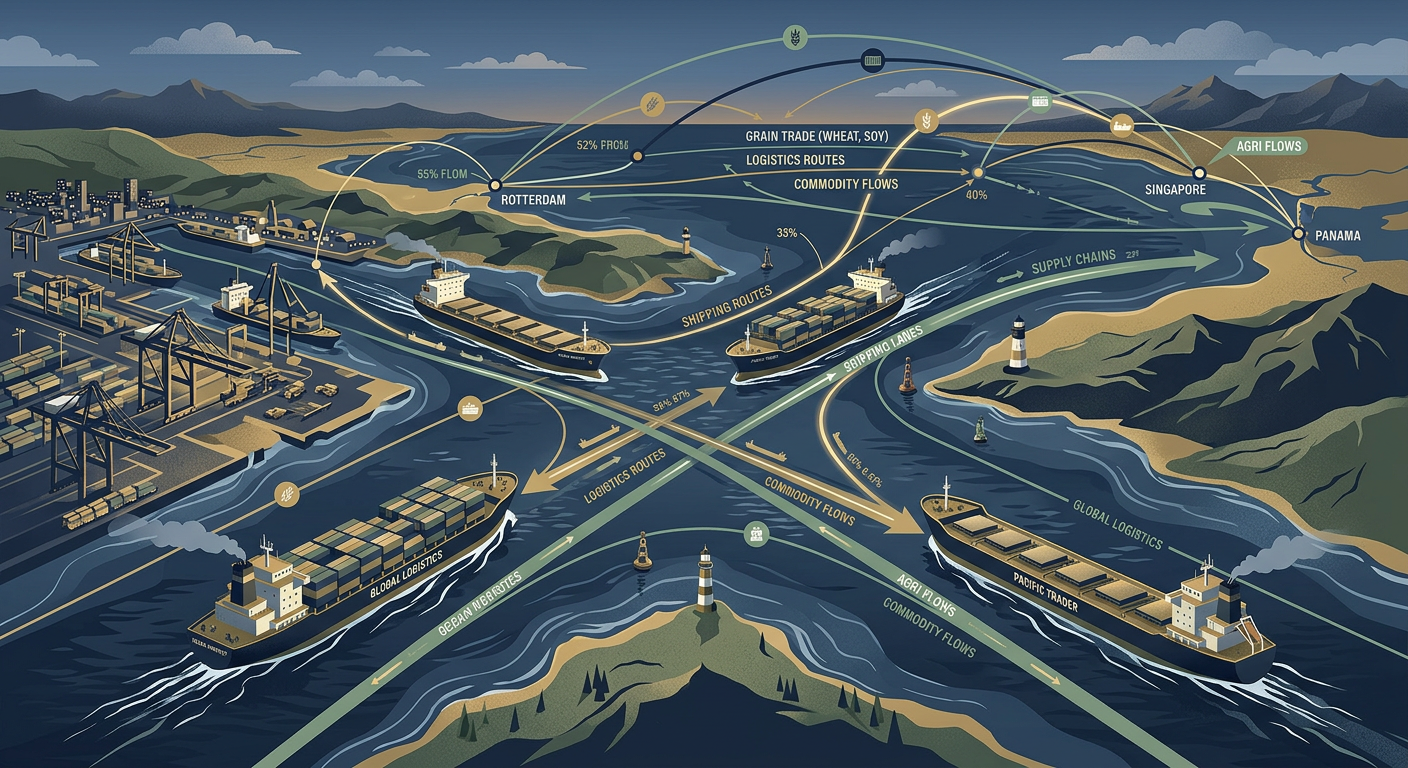
Systemic bottlenecks in global fertiliser supply chains have intensified as maritime friction impacts key transport routes. According to commentary from Alkagesta published by Business Insider Africa, disruptions in the Red Sea over the past two years alongside operational pressure on the Strait of Hormuz have strained international trade. Approximately one third of all globally traded fertilisers pass through the Strait of Hormuz, a maritime chokepoint that also accommodates 20% of global liquefied natural gas and 27% of global crude oil flows. This high concentration of transit volumes has highlighted structural vulnerabilities within energy and agricultural shipping networks.
Upstream gas curtailments have directly impacted regional manufacturing operations and pricing dynamics. As reported by Business Insider Africa, urea surpassed $800 per tonne on an FOB Egypt basis following force majeure declarations across supply contracts. Tightening Qatari natural gas supplies led fertiliser producers in India, Bangladesh, and Pakistan to trim plant output, while Egypt experienced disruptions to its imported Israeli gas supplies. These compounding factors demonstrate how aggressively cost-optimized supply chains leave minimal operational buffer during regional feedstock shortages.
Restricted availability and elevated costs have altered commercial behaviors, increasing market exposure to lower-grade and counterfeit products. Citing data from the African Union and the Food and Agriculture Organization, Business Insider Africa noted that up to 30% of agrochemicals in certain African markets are substandard or counterfeit. Specific incidents include Kenya, where the national standards authority impounded nearly 6,000 bags of substandard material during the 2024 planting season, while police in Eldoret seized over 600 bags of debased, repackaged government fertiliser in February 2026.
Policy responses to supply fragility are developing across major consuming jurisdictions. The United States, Brazil, and the European Union are currently pursuing supply diversification strategies, evaluating strategic storage capacity, reviewing dormant production infrastructure, and integrating fertiliser availability into broader trade negotiations. Commentary from Alkagesta stresses that long-term resilience depends on establishing procurement frameworks that protect quality-assured suppliers, ensuring compliant operators remain competitive during periods of acute price volatility.
Source & editorial provenance
- Original source
- Business Insider AfricaView source
- Source published
- 30 May 2026, 09:00 UTC
- Retrieved
- 04 Sept 2026, 06:59 UTC
- Business Insider Africa — War, supply chains and the fertiliser security deficithttps://africa.businessinsider.com/local/markets/war-supply-chains-and-the-fertiliser-security-deficit/xm9768q
This article was drafted with AI assistance from the source material above, checked against the source for factual consistency and reviewed before publication. It is an independent editorial summary, not a reproduction of the source text.
Market context
Indicative levels, not a price assessment.
No market data source is currently connected. Configure a provider in the admin market data screen to display indicative levels.
More from this author
Crude Coast Desk
The Crude Coast Energy market desk compiles indicative price and market commentary from disclosed public sources.
All articles by Crude Coast DeskNewsletter
Crude Coast Energy — Market & Price Briefing
A concise daily read on crude, refined products, freight and energy trade — with every figure sourced and timestamped.